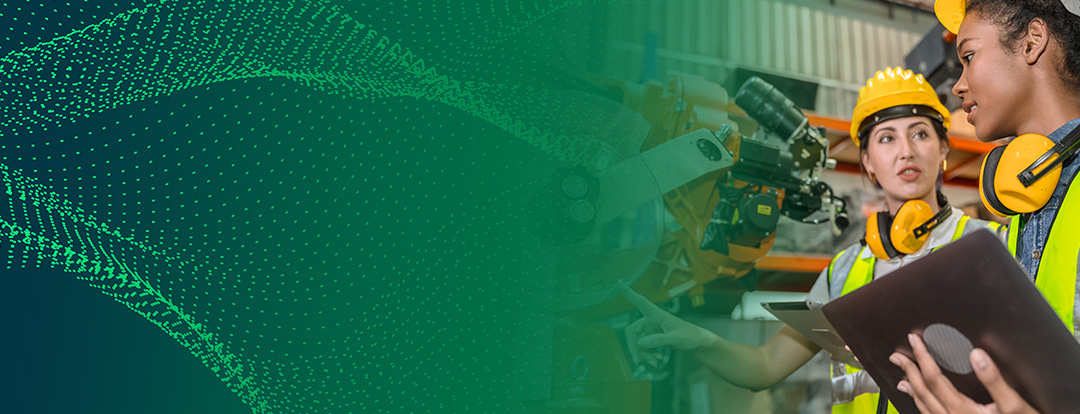
Modern manufacturing environments are evolving rapidly, driven by automation, robotics, and interconnected systems. While these advancements boost productivity and precision, they also introduce new safety challenges. Organizations must move beyond reactive approaches and adopt comprehensive strategies that integrate risk assessment with regulatory compliance. This guide outlines a practical pathway to achieving modern machine safety, helping businesses protect their workforce, maintain compliance, and support operational excellence.
Understanding the Foundations of Machine Safety
Machine safety focuses on protecting workers from hazards associated with industrial equipment. These hazards range from mechanical risks such as moving parts and pinch points to electrical, thermal, and software-related issues. A strong safety program begins with understanding how machines operate, how people interact with them, and where risks may arise.
Modern machine safety goes beyond basic guarding. It incorporates advanced technologies such as safety-rated sensors, programmable safety controllers, and integrated system monitoring. These tools allow organizations to identify risks proactively and respond quickly to potential failures.
The Role of Risk Assessment
Risk assessment is the cornerstone of any effective machine safety strategy. It provides a structured method for identifying hazards, estimating risk levels, and determining appropriate protective measures. A thorough assessment evaluates the severity of potential injuries, the frequency of exposure, and the likelihood of occurrence.
Organizations should involve cross-functional teams in this process, including engineers, operators, and safety professionals. This collaborative approach ensures that all perspectives are considered and that real-world operating conditions are accurately reflected.
Documenting findings is essential. Clear records support decision-making, provide evidence of due diligence, and form the foundation for compliance efforts.
Implementing Risk Reduction Measures
Once risks are identified, organizations must apply appropriate controls to reduce them to acceptable levels. The hierarchy of controls is a valuable framework, prioritizing solutions that eliminate hazards over those that simply mitigate them.
Common risk reduction measures include:
- Engineering controls such as machine guarding and safety interlocks
- Administrative controls like standardized operating procedures
- Personal protective equipment as a supplemental safeguard
Modern systems often incorporate functional safety solutions that automatically detect unsafe conditions and trigger protective actions. These technologies not only enhance safety but also improve operational efficiency by minimizing downtime.
Navigating Compliance and Standards
Compliance with safety standards and regulations is a critical component of machine safety. Organizations must align their practices with applicable requirements, which may include OSHA regulations, ANSI standards, and international guidelines such as ISO and IEC standards.
Compliance is not a one-time effort. It requires continuous monitoring, regular audits, and updates to reflect changes in equipment, processes, or regulations. Staying informed about evolving standards ensures that safety programs remain relevant and effective.
Integrating compliance into daily operations helps create a culture of accountability and reduces the risk of penalties, legal issues, and workplace incidents.
Leveraging Technology for Safer Operations
Advancements in technology have transformed how organizations approach machine safety. Smart sensors, data analytics, and industrial IoT platforms enable real-time monitoring and predictive maintenance. These capabilities allow businesses to identify potential failures before they occur and take proactive action.
Digital tools also streamline documentation and reporting, making it easier to demonstrate compliance and track performance over time. By leveraging these technologies, organizations can achieve higher levels of safety while supporting productivity and innovation.
Training and Building a Safety Culture
Even the most advanced safety systems are only effective when supported by a well-trained workforce. Employees must understand how to operate equipment safely, recognize hazards, and respond appropriately to emergencies.
Ongoing training programs should be tailored to specific roles and updated regularly to reflect new technologies and processes. Encouraging open communication and employee involvement fosters a culture where safety is a shared responsibility.
A strong safety culture not only reduces incidents but also enhances employee confidence and engagement.
From Assessment to Continuous Improvement
Machine safety is an ongoing journey. Organizations must continuously evaluate their systems, learn from incidents and near-misses, and implement improvements. Regular reviews of risk assessments, safety measures, and compliance practices ensure that programs remain effective and aligned with business goals.
By integrating safety into every stage of operations, businesses can create environments that protect workers while supporting growth and innovation.
Achieving modern machine safety requires expertise, coordination, and a commitment to excellence. At GES, our TÜV Rheinland-certified team brings deep, practical experience to every engagement, including:
- Michael Mills, Sr. Controls Manager, FS Tech
- Levi Pomeroy, Controls Engineer, FS Engineer
- Josh Farr, FS Tech
- Tyler Enterline, FS Technician
Their industry-recognized credentials and hands-on knowledge ensure your organization moves beyond basic compliance toward a proactive, integrated safety strategy. If you are ready to strengthen your machine safety program, contact GES today to assess risks, implement advanced solutions, and build a safer, more efficient workplace.
Sources
- https://www.osha.gov
- https://www.iso.org
- https://www.ansi.org
- https://www.iec.ch