Clean‑in‑Place (CIP) has always been a cornerstone of food and beverage manufacturing. Without reliable sanitation, production stops, safety is compromised, and regulatory compliance is threatened. But historically, CIP has also been a major source of inefficiency—lengthy cycles, inconsistent cleaning results, overconsumption of water and chemicals, and minimal visibility into what actually happens inside the system.
Today, that reality is changing fast.
Across the industry, smart CIP systems powered by automation, analytics, and real‑time operational data are redefining sanitation from a necessary cost center into a strategic performance lever. By transforming CIP from a “black box” into a measurable, optimizable process, manufacturers are reclaiming lost production hours, reducing resource consumption, and unlocking new levels of repeatable quality.
Below, we explore how the convergence of digitalization, advanced sensors, machine learning, and integrated plantwide automation is reshaping the future of sanitation.
From Static Cleaning to Intelligent Sanitation
Traditional CIP systems rely on fixed setpoints and time‑based cleaning cycles. While effective for ensuring compliance, these rigid processes often lead to over-cleaning—and as a result, wasted water, chemicals, and energy.
Smart CIP systems improve this by leveraging:
- Continuous monitoring of key variables such as temperature, turbulence, turbidity, titration, and cycle duration.
- Adaptive automation, adjusting cleaning parameters based on real conditions rather than static “worst‑case” assumptions.
- Real‑time visibility into flow paths, chemical concentration, and cleaning step performance.
- Audit-ready data that documents every aspect of the cleaning cycle for regulatory validation.
This shift replaces the historically opaque cleaning cycle with a transparent, data-driven process that can be evaluated, trended, optimized, and repeated with precision.
The Rise of “Golden CIP” Optimization
One of the most impactful trends emerging across modern sanitation programs is the concept of a “Golden CIP”—a model cleaning cycle based on historical data and successful cleanings rather than broad industry guidelines.
A Golden CIP standard becomes a performance benchmark, enabling:
- Shorter cleaning times
- Lower consumption of water, chemicals, and energy
- Immediate identification of deviations from optimal conditions
- Less downtime, delivering more productive capacity
Machine learning is accelerating this shift further by analyzing thousands of cycle data points to pinpoint the exact parameters that correlate with the most effective and resource-efficient cleans. Instead of “set and forget,” CIP becomes dynamic—learning and improving continuously.
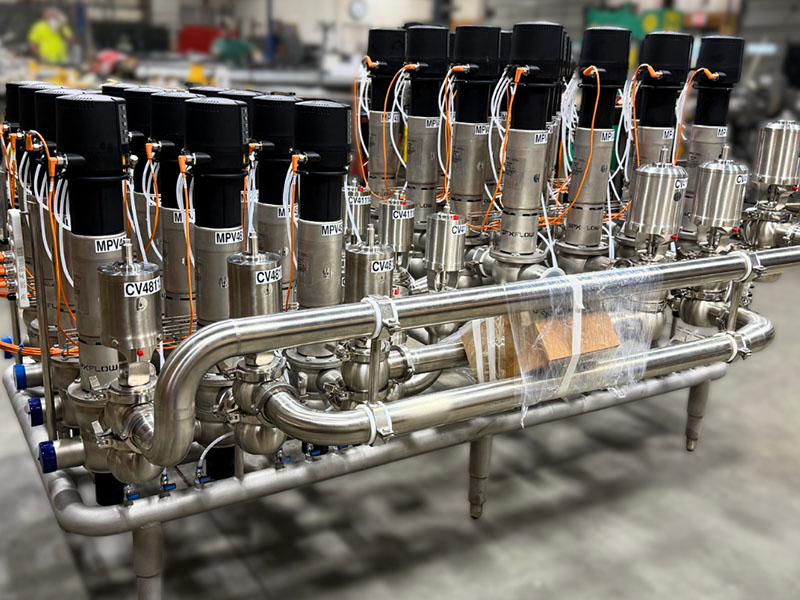
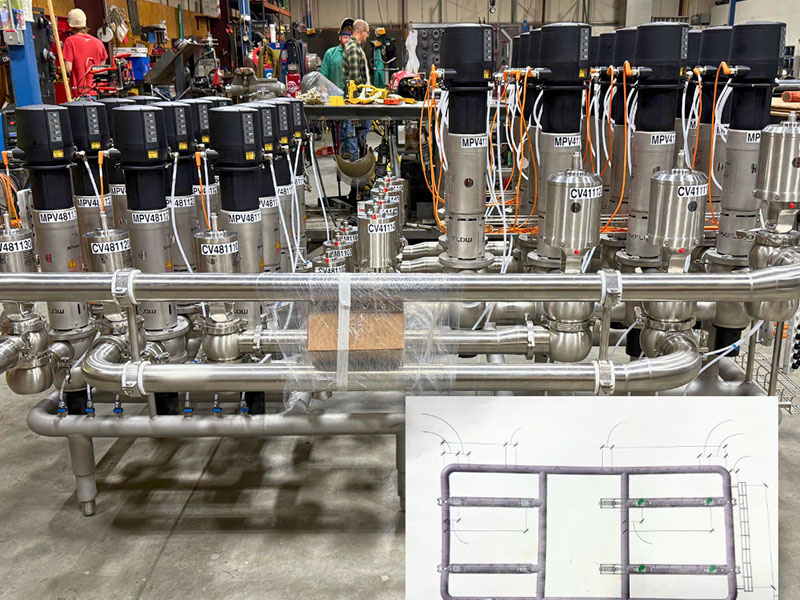
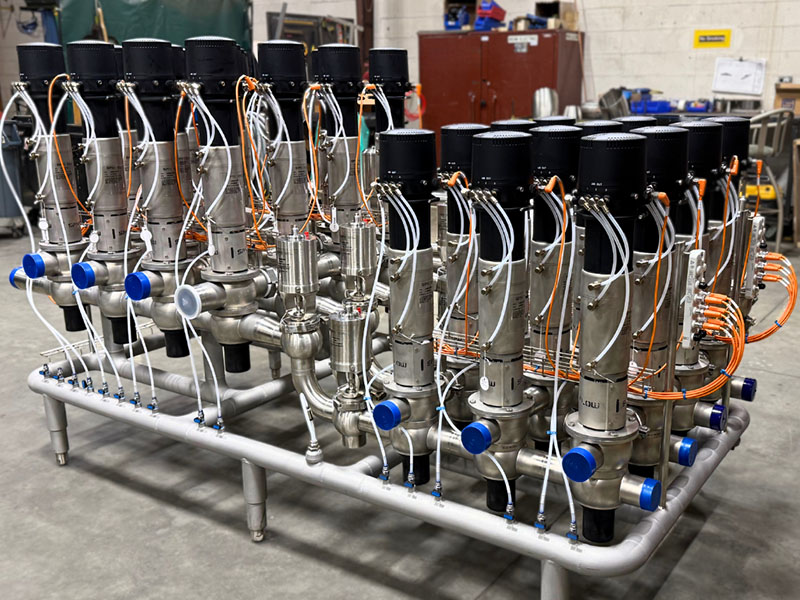
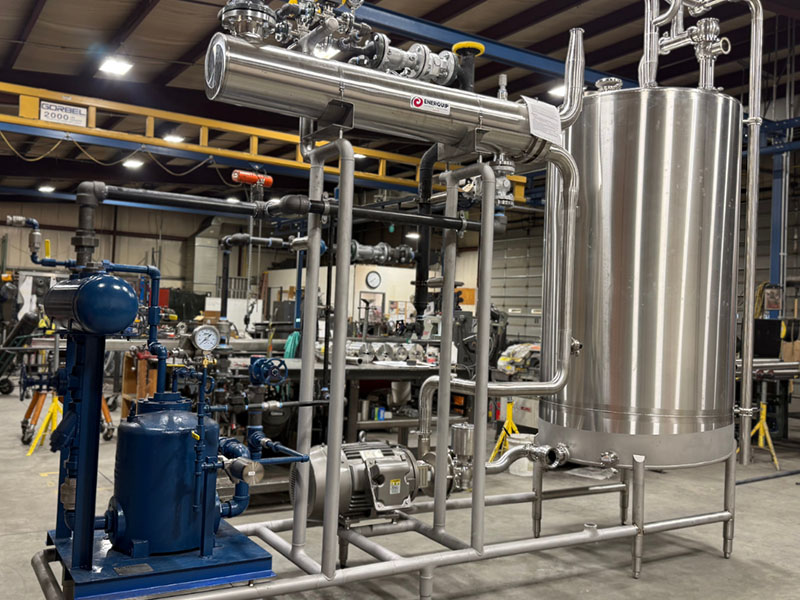
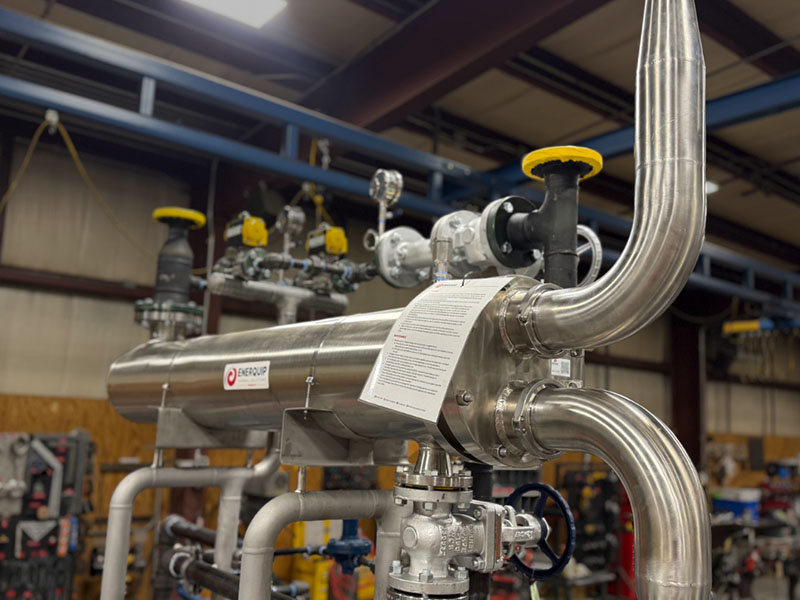
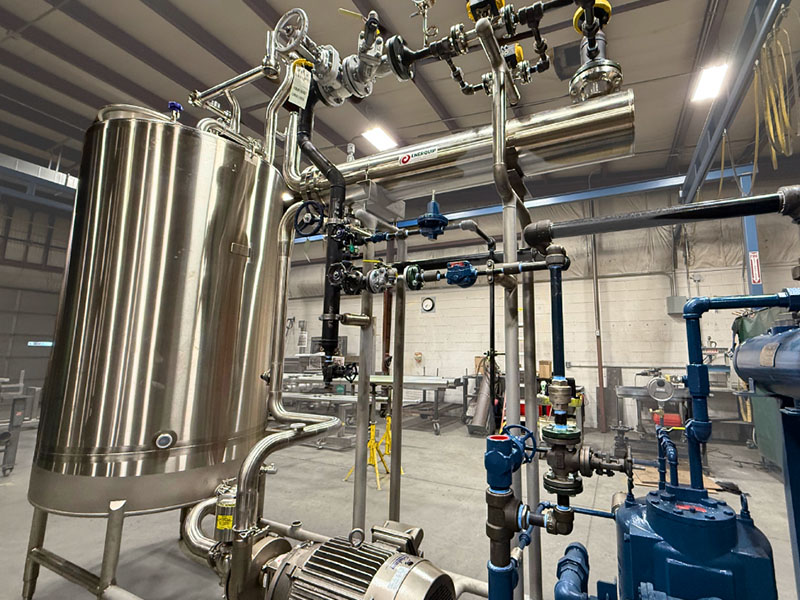
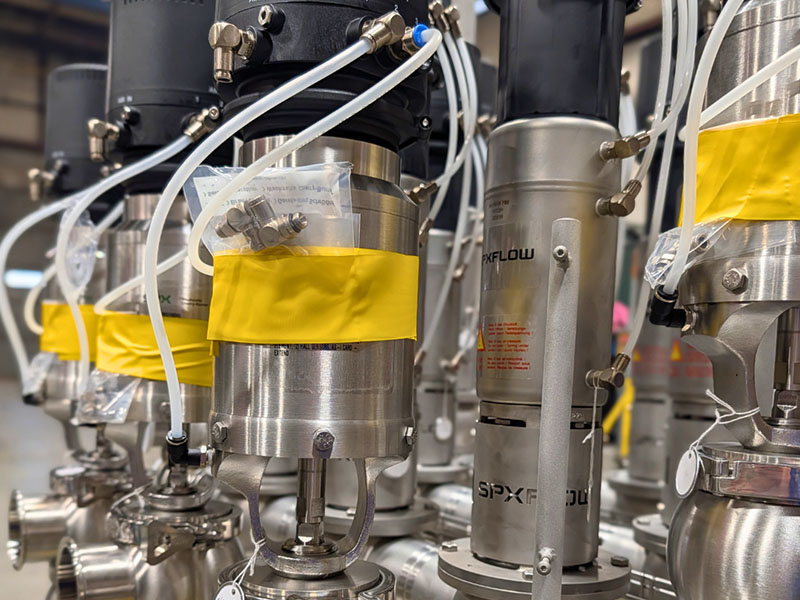
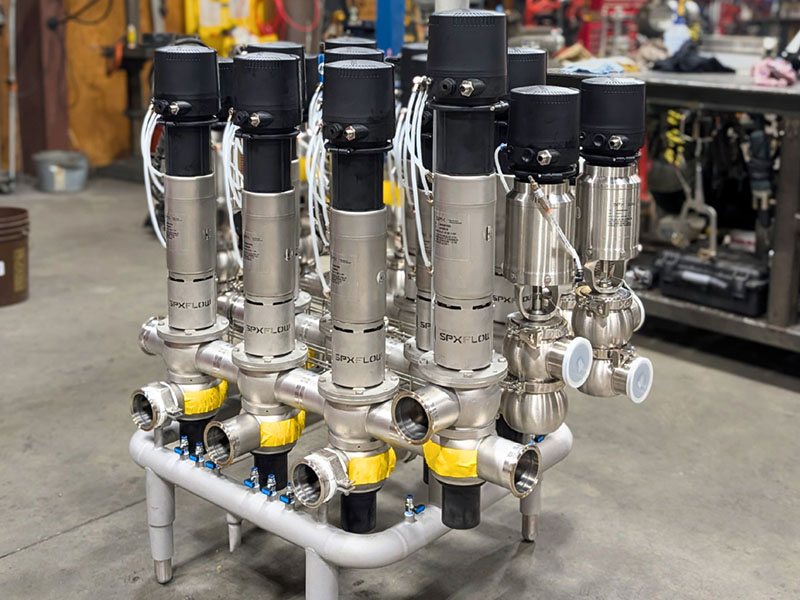
GES Automation Technology CIP Examples
Integrating CIP With Plantwide Automation and MES
Smart CIP systems deliver exponentially more value when integrated into a unified automation ecosystem. Forward-looking manufacturers are connecting:
- Programmable Logic Controller (PLC), Human-Machine Interface (HMI), and batch control platforms
- Manufacturing Execution System (MES) for Clean‑in‑Place (CIP) reporting, Overall Equipment Effectiveness (OEE) tracking, and production insights
- Enterprise Resource Planning (ERP) systems for resource usage and scheduling
- Operations Technology (OT) infrastructure deployed plantwide for cybersecurity and reliability
This integration provides:
- A single source of truth for production and sanitation data
- Consistent naming conventions, standards, and recipe structures
- Plantwide visibility of cleaning activity, cycle completion, and CIP‑related downtime
- Real‑time analytics accessible from dashboards, web portals, or mobile devices
Instead of CIP sitting in a silo, it becomes a fully connected operational process that impacts—and improves—everything from scheduling and maintenance to quality assurance and regulatory compliance.
Real‑Time Data: The New Backbone of Food Safety and Efficiency
In the era of smart manufacturing, real‑time insight is the differentiator between plants that simply clean equipment and those that optimize sanitation as part of a broader digital transformation strategy.
Manufacturers are using real-time CIP data to:
- Detect anomalies early, before they turn into quality or safety issues
- Trigger automatic corrective actions during cleaning
- Feed predictive maintenance models for valves, pumps, and heat exchangers
- Support digital twins that simulate cleaning performance before process changes
- Strengthen traceability across batch, sanitation, and production records
These capabilities provide both immediate operational benefits and long‑term strategic advantages—greater agility, reduced risk, and higher overall equipment effectiveness (OEE).
Driving Sustainability Through Smarter Sanitation
Water, chemical, and energy consumption are major sustainability challenges in food and beverage plants. Smart CIP automation directly supports environmental initiatives by:
- Reducing water usage through optimized rinse times
- Minimizing chemical loss via precise titration control
- Lowering energy consumption by eliminating unnecessary heating cycles
- Reducing unplanned re-cleans and wasted production time
As companies push toward aggressive ESG and sustainability benchmarks, intelligent CIP becomes a practical, high-impact lever for meeting those goals without sacrificing throughput or safety.
Why Smart CIP Is Becoming a Competitive Necessity
The pressures facing today’s food and beverage manufacturers—labor shortages, cost volatility, regulatory complexity, SKU proliferation, and rising consumer expectations—are redefining what “efficient operations” even means.
Smart CIP systems are no longer a luxury. They are a strategic requirement for plants that want to:
- Increase throughput without major capital expansion
- Improve food safety while reducing human variability
- Gain granular visibility into operations
- Modernize legacy processes with future-ready automation
- Build a connected manufacturing environment aligned with Industry 4.0
Sanitation is where production starts—and where bottlenecks can quietly accumulate. Intelligent CIP ensures that cleaning is no longer the hidden source of inefficiency, but a core enabler of operational excellence.
Conclusion
Smart CIP systems are transforming food and beverage manufacturing by merging automation, rich operational data, and advanced analytics. What was once a time-consuming, high-variability process is now a controllable, repeatable, and optimizable component of modern production.
Manufacturers that embrace this shift are seeing measurable gains in uptime, efficiency, resource management, and regulatory confidence. As digital transformation accelerates across the industry, smart CIP will continue to emerge as one of the most impactful—and accessible—levers for operational improvement.
Sources & Further Reading
- Cybertrol Engineering – Smart Manufacturing for Food & Beverage at EATS 2025
https://blog.cybertrol.com/smart-manufacturing-for-food-beverage-cybertrol-at-eats-2025 - Schneider Electric – AI Takes Clean‑In‑Place to the Next Level
https://blog.se.com/industry/food-and-beverage/2025/08/07/ai-takes-clean-in-place-to-the-next-level/ - AMG World – Smart Manufacturing Food & Beverage (2026)
https://www.amg-world.co.uk/smart-manufacturing-food-beverage/ - Laminar – Future of Food & Beverage Manufacturing Trends (EATS 2025)
https://runlaminar.com/blog/future-food-beverage-manufacturing-trends-eats-2025 - Siemens – Smart Manufacturing for Food & Beverage
https://www.siemens.com/us/en/industries/food-beverage/smart-manufacturing.html - Food Industry Executive – 2025 State of Food Manufacturing: Digital Transformation
https://marketing.foodindustryexecutive.com/hubfs/2025%20State%20of%20Food%20Manufacturing_%20Digital%20Transformation.pdf